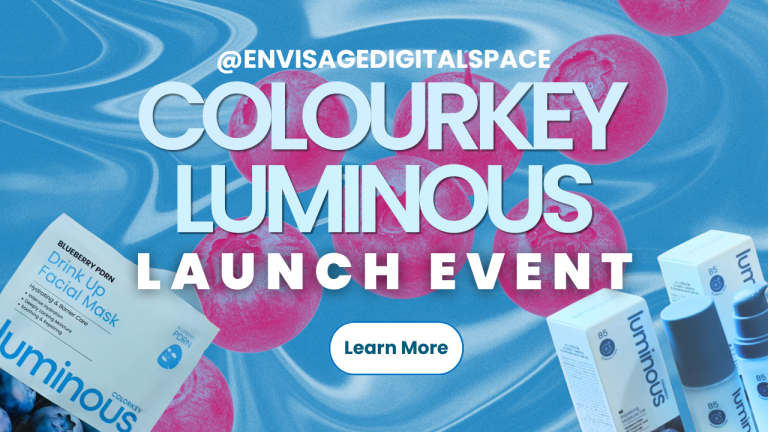
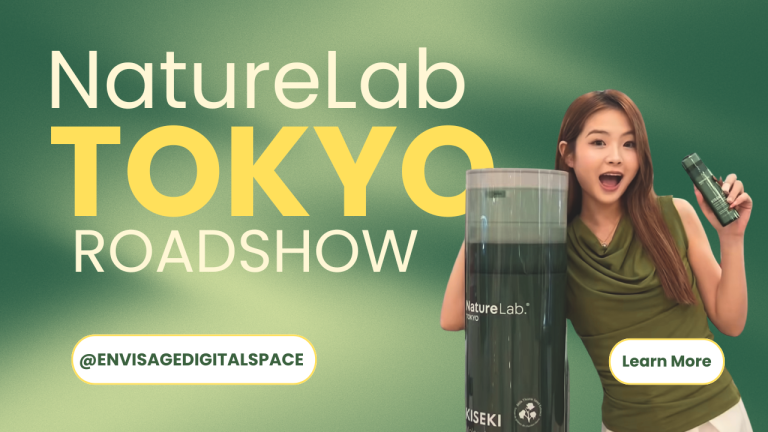
In the highly competitive automotive industry, brands face the challenge of standing out while building meaningful connections with local audiences. With consumers becoming more selective and less responsive to traditional advertising, automotive brands are increasingly turning to event marketing to create real-world engagement and lasting brand impressions.
Event marketing allows automotive brands to showcase vehicles, highlight features, and connect with potential customers through immersive experiences. When supported by digital platforms such as Facebook and Instagram, these events can reach wider audiences, increase engagement, and drive measurable results.
What Is Event Marketing?
Event marketing is a strategy that involves promoting a brand, product, or service through physical or hybrid events such as product launches, roadshows, pop-up activations, test-drive events, and brand showcases.
For automotive brands, event marketing offers an opportunity to bring vehicles closer to consumers by allowing them to experience design, performance, and technology firsthand.
Why Event Marketing Is Effective for Automotive Brands
Automotive purchases often involve high consideration and emotional decision-making. Event marketing addresses this by offering hands-on interaction, direct communication, and personal engagement.
Key reasons event marketing works well for automotive brands include:
- Creates tangible, real-world experiences
- Builds trust through face-to-face interaction
- Engages local communities directly
- Encourages two-way communication with potential buyers
How Event Marketing Helps Automotive Brands Engage Local Audiences
1. Creates Immersive Brand Experiences
Automotive events such as vehicle launches, test-drive events, and showroom activations allow consumers to physically experience the brand. This immersion helps potential customers form emotional connections and better understand vehicle features.
Localised events also allow brands to tailor experiences based on regional preferences and audience demographics.
2. Strengthens Local Brand Presence
Hosting events in specific locations helps automotive brands establish a stronger presence within local communities. These events signal commitment to the market and make the brand more accessible to nearby customers.
Local engagement builds familiarity, which is a key factor in long-term brand trust.
3. Encourages Direct Customer Interaction
Event marketing enables brands to interact directly with consumers, answer questions, and address concerns in real time. Sales representatives and brand ambassadors can personalise the experience, increasing the likelihood of customer interest and follow-up.
This personal interaction is particularly valuable in the automotive sector, where buyers often seek reassurance before making decisions.
4. Generates High-Quality Content for Digital Platforms
Automotive events provide a wealth of content opportunities, including:
- Event highlights
- Vehicle walkarounds
- Test-drive reactions
- Live demonstrations
This content can be repurposed across Instagram and Facebook, extending the reach of the event beyond physical attendees and maintaining engagement after the event ends.
5. Increases Engagement Through Facebook and Instagram
Social media platforms play a vital role in amplifying event marketing efforts. Automotive brands use Instagram and Facebook to:
- Promote upcoming events
- Share live updates and stories
- Engage audiences through comments and polls
- Retarget interested users with follow-up ads
These platforms help build anticipation before the event and sustain interest afterward, resulting in higher engagement and stronger brand recall.
Event Marketing Strategies for Automotive Brands
A. Promote Events Through Social Media
Using Facebook and Instagram ads allows brands to target specific locations, demographics, and interests. This ensures event promotions reach the most relevant local audiences.
B. Leverage Influencers and KOLs
Collaborating with automotive or lifestyle KOLs to attend and share event experiences increases credibility and attracts wider audiences. KOL-generated content adds authenticity and social proof.
C. Encourage User-Generated Content
Encouraging attendees to share their experiences using branded hashtags helps amplify event visibility organically while strengthening community engagement.
D. Follow Up Digitally After the Event
Post-event follow-ups through social media retargeting and email campaigns help maintain momentum, nurture leads, and guide potential customers toward test drives or showroom visits.
The Role of Event Marketing in Driving Automotive Sales
While event marketing focuses heavily on engagement, it also plays a significant role in influencing purchase decisions. By combining physical experiences with digital amplification, automotive brands can move customers through the awareness, consideration, and conversion stages more effectively.
This integrated approach helps brands capture leads, build relationships, and support long-term sales growth.
Conclusion
Event marketing remains one of the most effective strategies for automotive brands looking to engage local audiences and build strong customer relationships. By creating immersive experiences and leveraging platforms such as Facebook and Instagram, brands can extend their reach, increase engagement, and generate measurable business outcomes.
For automotive brands seeking meaningful local impact, event marketing offers a powerful way to connect with consumers both online and offline.
At Envisage Digital Space, we specialise in event and KOL marketing strategies designed to help automotive brands engage local audiences, increase brand visibility, and drive results through integrated digital and on-ground campaigns.
You may refer to our case studies to better understand our strategic approach and execution in Event Marketing.