Fast-moving consumer goods (FMCG) brands operate in highly competitive markets where consumers are constantly exposed to new products and promotions. With short purchase cycles and low brand-switching barriers, capturing attention and influencing decisions quickly is critical. As traditional advertising becomes less effective, FMCG brands are increasingly leveraging Influencer (KOL) marketing to drive awareness, engagement, and purchase intent.
KOL marketing enables FMCG brands to reach consumers through trusted voices and everyday usage scenarios. By leveraging platforms such as TikTok, Instagram, and Facebook, brands can connect with audiences at scale while maintaining authenticity.
What Is KOL Marketing?
KOL (Key Opinion Leader) marketing is a strategy that involves collaborating with influencers who have established credibility within specific lifestyle, household, food, personal care, and family-oriented niches. These KOLs create content that integrates FMCG products naturally into daily routines.
For FMCG brands, KOL marketing helps showcase product value, usage, and benefits in real-life situations, making products more relatable and memorable.
Why KOL Marketing Is Effective for FMCG Brands
FMCG purchasing decisions are often quick and habitual, influenced by familiarity, visibility, and social proof. KOL marketing supports these behaviors by placing products in front of consumers repeatedly and authentically.
Key reasons KOL marketing works well for FMCG brands include:
- Builds brand familiarity and recall
- Demonstrates everyday product usage
- Reaches mass and niche audiences efficiently
- Encourages trial and repeat purchases
How KOL Marketing Supports FMCG Brands
1. Increases Brand Awareness at Scale
FMCG brands require broad reach to stay top-of-mind. KOL marketing enables brands to scale awareness quickly by working with multiple influencers across different segments and platforms.
This multi-creator approach ensures consistent exposure across diverse consumer touchpoints.
2. Normalises Product Usage in Daily Life
FMCG products are part of everyday routines. KOLs integrate products into cooking, cleaning, personal care, or family content, making them feel familiar and essential rather than promotional.
This normalisation increases acceptance and purchase intent.
3. Drives Trust Through Social Proof
Seeing multiple KOLs use and recommend the same product reinforces credibility. Social proof reduces hesitation, especially for new FMCG products or brand variants.
This trust is particularly important in categories like food, personal care, and household essentials.
4. Boosts Engagement on Short-Form Video Platforms
TikTok and Instagram Reels are key discovery platforms for FMCG brands. Snackable, creative, and relatable KOL content drives high engagement and encourages sharing.
Short-form video formats help FMCG brands capture attention quickly and effectively.
5. Supports Retail and E-Commerce Conversion
KOL content can drive consumers directly to online marketplaces or nearby retail outlets. Influencer calls-to-action such as “available at” or “link in bio” help bridge awareness and purchase.
This integration supports both online and offline sales channels.
KOL Marketing Strategies That Work for FMCG Brands
- Leverage Volume-Based Influencer Campaigns
Working with multiple micro and mid-tier KOLs increases reach, frequency, and trust across different consumer segments. - Focus on Routine-Based Content
Encourage KOLs to show products as part of everyday habits, reinforcing ease of use and relevance. - Localise Content for Target Markets
Tailor KOL selections and messaging to local languages, cultures, and preferences to improve resonance. - Amplify Top-Performing Content With Paid Ads
Boost high-performing influencer content to maximise reach, frequency, and ROI.
The Role of KOL Marketing in FMCG Sales Growth
KOL marketing plays a critical role in moving consumers from awareness to trial. Repeated exposure through trusted creators increases brand familiarity and encourages impulse purchases.
When combined with promotions, retail availability, and digital amplification, KOL campaigns contribute directly to sales growth and market penetration.
Conclusion
KOL marketing has become an essential strategy for FMCG brands looking to stand out in saturated markets. Through authentic storytelling, daily-life integration, and high-frequency exposure, FMCG brands can drive awareness, engagement, and conversion effectively.
At Envisage Digital Space, we help FMCG brands design and execute KOL marketing strategies that deliver measurable results through integrated influencer and digital campaigns.
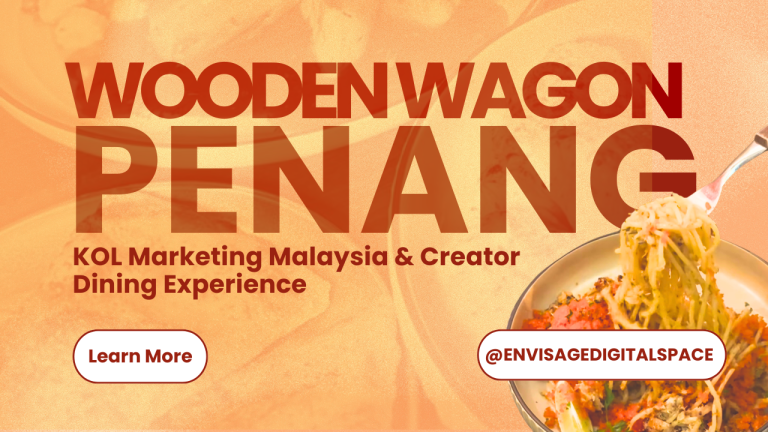
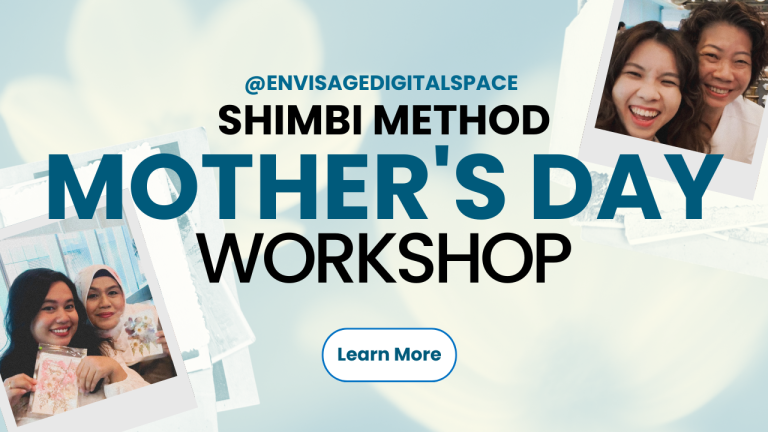
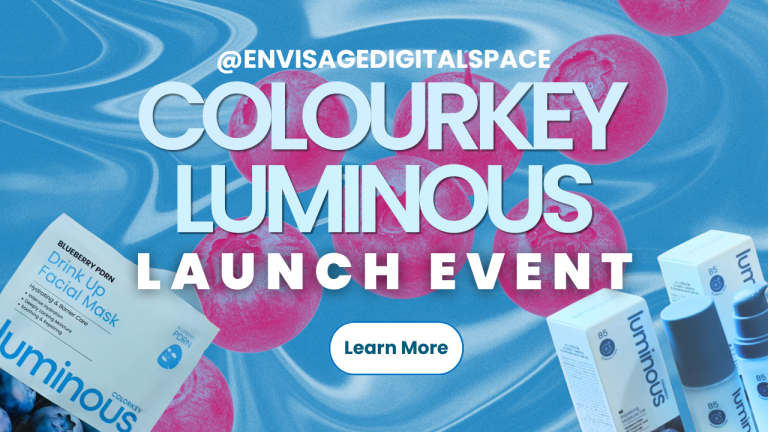
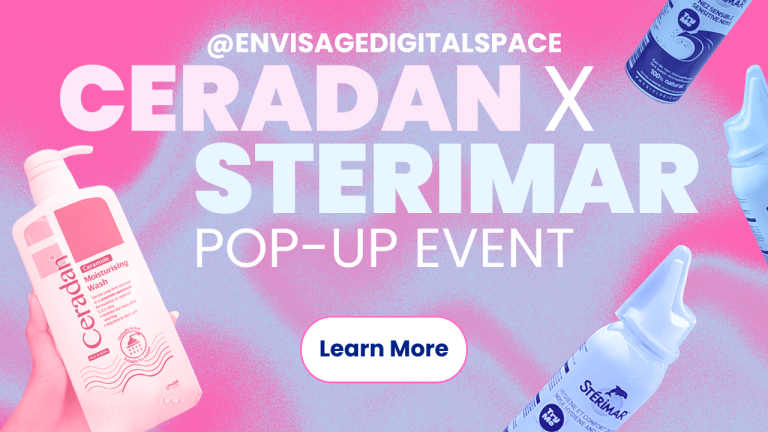
You may refer to our case studies to better understand our strategic approach and execution in KOL Marketing.